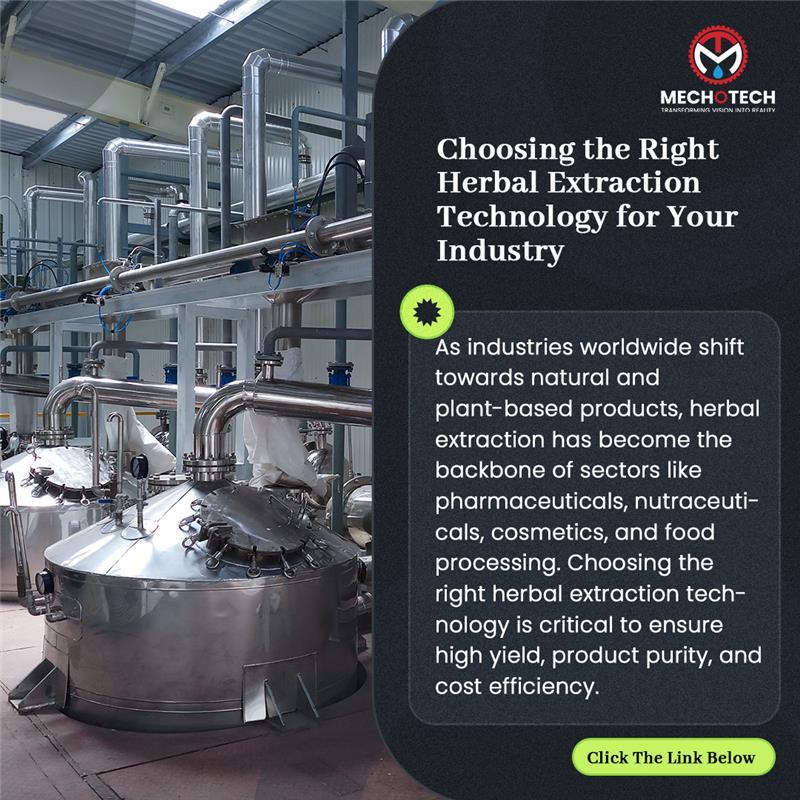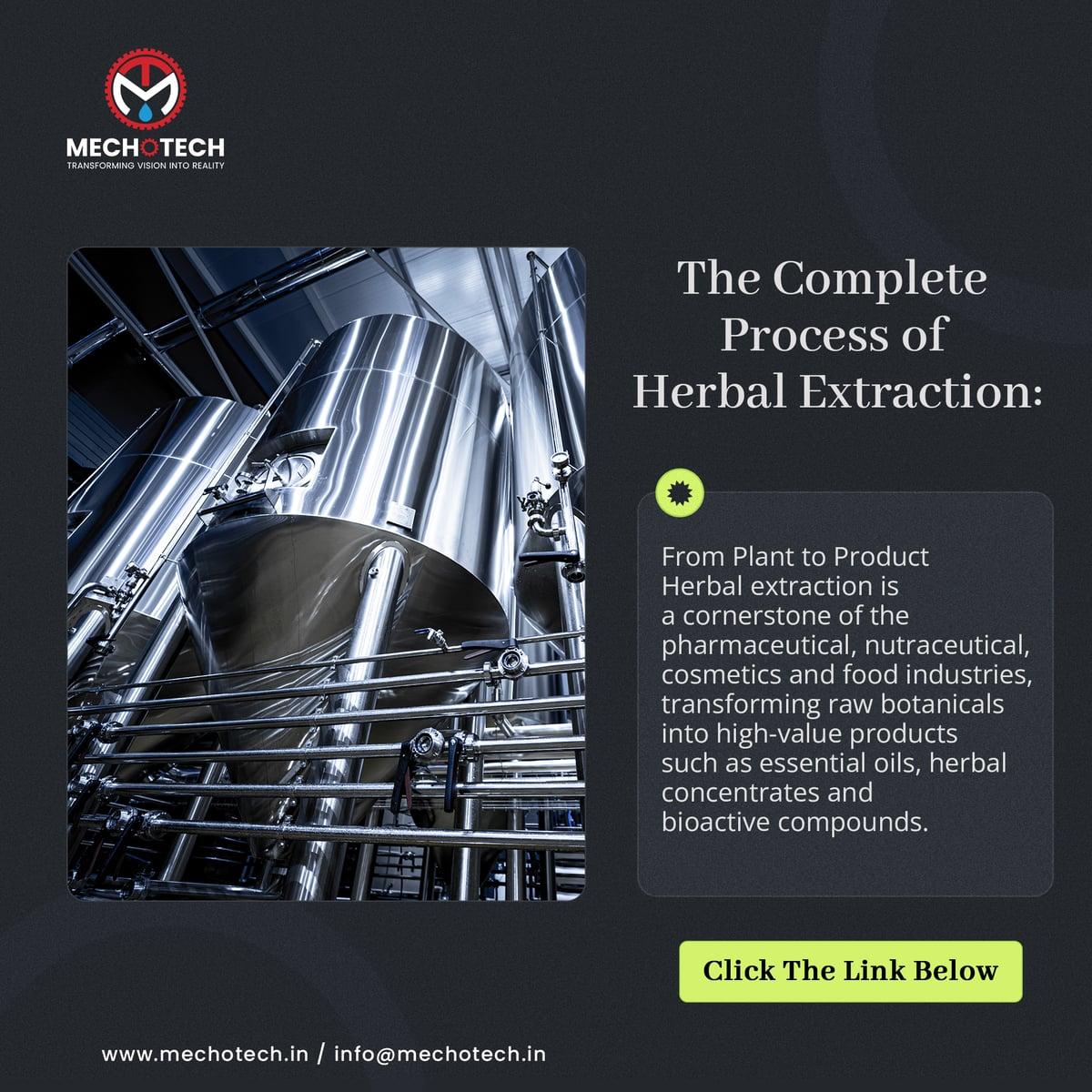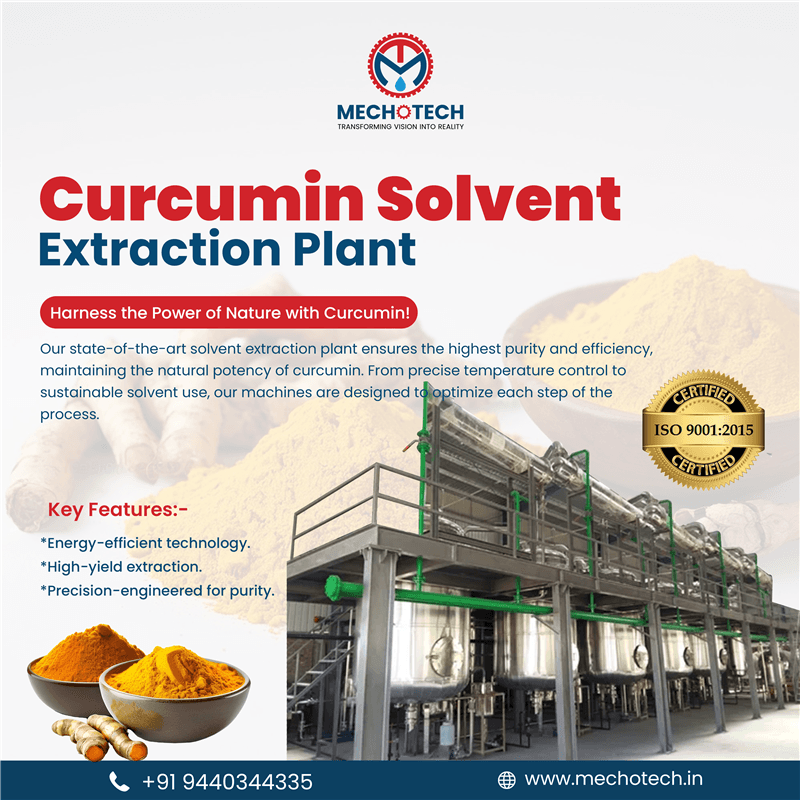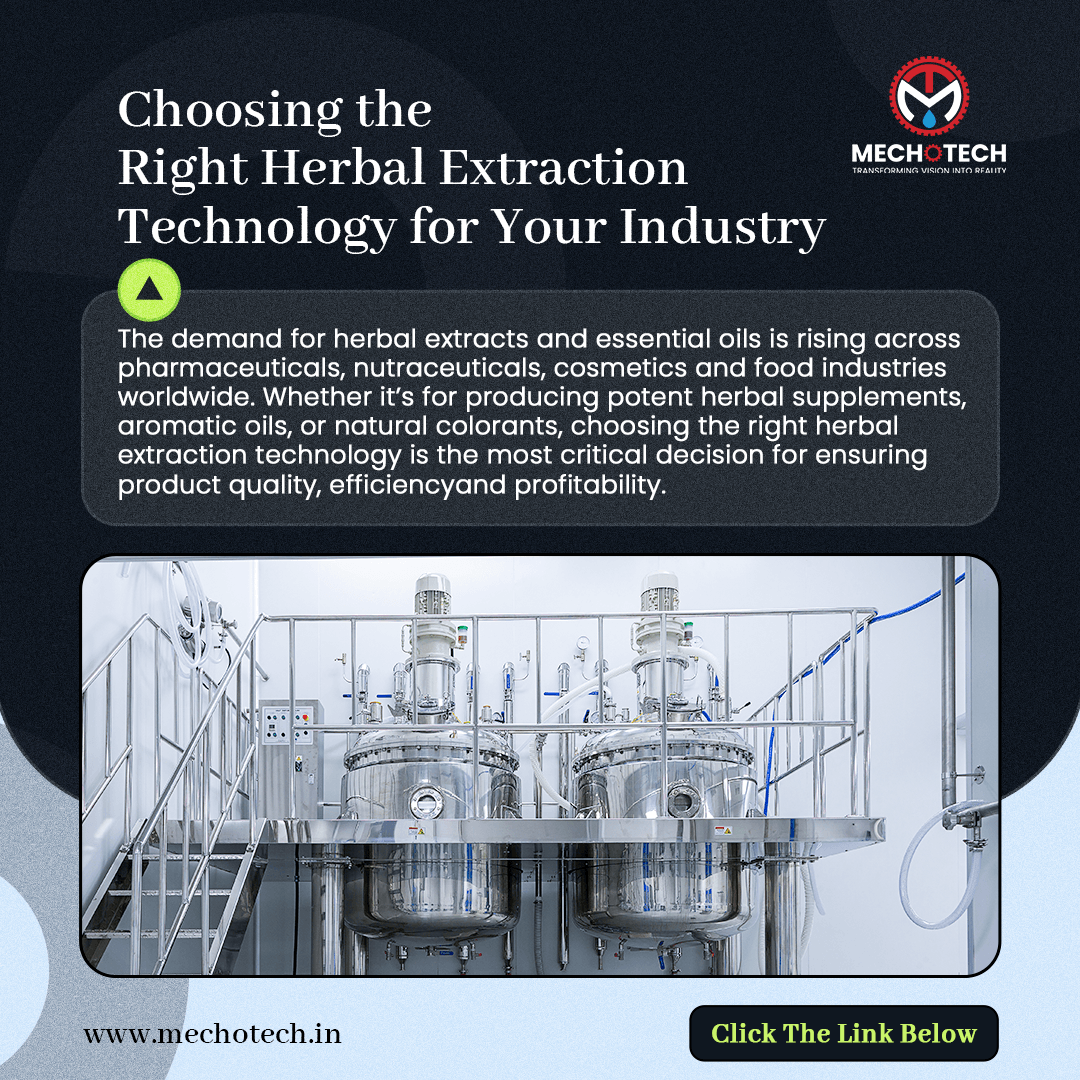
Different industries impose fundamentally different requirements on herbal extraction plants — from the pharmacopoeial purity standards and IQ/OQ/PQ validation documentation demanded by pharmaceutical manufacturers to the natural colour standardisation and flavour stability specifications required by food and beverage companies. A pharmaceutical botanical API plant and a food oleoresin plant may both use solvent extraction equipment that looks similar on a general arrangement drawing, but they differ in material of construction, documentation depth, cleaning validation requirements, solvent selection rationale, and quality release testing protocols. This guide addresses how to align your extraction technology selection, plant design, and quality system with the specific requirements of your target industry — covering pharmaceutical, nutraceutical, cosmetics, food and beverage, and essential oil sectors at the scale that matches your commercial stage.
✓Key Takeaways
- →Pharmaceutical herbal extraction in India is governed by Schedule M, WHO-GMP, CDSCO licensing, and ICH Q3C residual solvent limits — requiring IQ/OQ/PQ validation, SS 316L construction, and validated HPLC testing methods.
- →Nutraceutical extracts require FSSAI compliance, HPLC-standardised active compound content, batch records, and spray drying capability for powder format — without the drug approval process required for pharmaceuticals.
- →Cosmetic botanical extracts are best produced by cold-process methods (CO₂ extraction at 35–45°C or ambient ethanol maceration) to preserve heat-sensitive antioxidants; COSMOS and NATRUE certifications restrict permitted solvents.
- →Food-grade extraction must use only FSSAI/Codex-approved solvents (ethanol, water, food-grade hexane within residue limits); natural colour extracts and oleoresins are standardised by colour value and pungency respectively.
- →Scale matching is critical — pilot (50–200 kg/day), semi-commercial (500–2,000 kg/day), and commercial (2–20 tonnes/day) plants each suit a different commercial stage; over-scaling creates chronic underutilisation and poor unit economics.
- →A herbal extraction plant project typically takes 8–18 months from concept to commissioning; GMP-validated pharmaceutical plants add 3–6 months for qualification documentation.
1Pharmaceutical Industry Requirements
Pharmaceutical herbal extraction faces the most stringent regulatory requirements of any industry sector, and the consequences of non-compliance — product recalls, regulatory action, market withdrawal — are severe. In India, pharmaceutical herbal extract manufacturing is governed by Schedule M (Revised) under the Drugs and Cosmetics Act for Ayurvedic, Siddha, and Unani products, and by WHO-GMP guidelines for botanical APIs targeting export markets. EU GMP Part II applies to botanical API manufacturers exporting to European markets. The critical practical implication is that the extraction plant must be designed for GMP compliance from the outset — retrofitting a non-GMP plant to GMP standard is invariably more expensive than building correctly from the beginning. Plants targeting multiple regulatory jurisdictions simultaneously (India + EU + US) require the most rigorous design standard and must be planned with all three frameworks in mind.
- WHO-GMP Compliant Plant Design: All product-contact surfaces must be fabricated in SS 316L stainless steel with 2B or electropolished finish; equipment must be drainable and cleanable without dismantling; and all utility systems (water, compressed air, nitrogen) must meet pharmaceutical-grade specifications. Cleaning validation studies must demonstrate that residual cleaning agent and previous-product residuals are below defined acceptance criteria (typically 10 ppm or 0.1% of the minimum therapeutic dose of the previous product) after each cleaning cycle.
- Standardised HPLC-Verified Extracts: Pharmaceutical buyers and regulatory submissions require HPLC-verified active compound content with a stated specification and acceptance criteria — for example, not less than 95% curcuminoids, not less than 5% piperine, or not less than 40% bacosides. The HPLC method must be fully validated per ICH Q2(R1) including specificity, linearity, accuracy, precision, and robustness. This method validation requirement and ongoing batch testing places a significant analytical laboratory capability requirement on the manufacturer.
- ICH Q3C Solvent Residue Compliance: ICH Q3C classifies residual solvents into three classes by toxicological risk: Class 1 (to be avoided — benzene, carbon tetrachloride), Class 2 (limited — hexane 290 ppm, acetone 5,000 ppm, methanol 3,000 ppm), and Class 3 (low toxicity — ethanol 5,000 ppm, ethyl acetate 5,000 ppm). Pharmaceutical-grade extraction plants must select solvents from Class 3 or lower-toxicity Class 2 materials, with residual solvent in the finished extract tested per batch by headspace GC-MS before release.
- IQ/OQ/PQ Validation Documentation: Pharmaceutical manufacturing requires Installation Qualification (IQ — confirming equipment is installed as specified), Operational Qualification (OQ — confirming equipment operates within defined process parameter ranges), and Performance Qualification (PQ — confirming the complete process consistently produces extract meeting specification over multiple consecutive batches). We prepare full IQ/OQ/PQ documentation packages for clients requiring regulatory submission support, including protocol templates, test scripts, and completed reports.
- Stability Data Requirements: Active compound stability under accelerated (40°C/75% RH, 6 months) and long-term (25°C/60% RH, 24+ months) storage conditions must be demonstrated for pharmaceutical herbal extracts, with HPLC-verified curcuminoid or marker compound content at each stability timepoint. Stability data is required for product registration dossiers and for setting shelf-life claims on the extract Certificate of Analysis.
2Nutraceutical and Dietary Supplement Requirements
The nutraceutical sector occupies the regulatory space between pharmaceuticals and food — requiring GMP compliance and accurate label claims without the drug approval process. In India, nutraceutical extract manufacturers are regulated by FSSAI under the Food Safety and Standards (Health Supplements, Nutraceuticals, Food for Special Dietary Use, Food for Special Medical Purpose, Functional Food and Novel Food) Regulations 2022. Export markets (US, EU, Japan) add their own requirements: FDA 21 CFR Part 111 (Current GMP for dietary supplements) for US-bound products; EFSA regulations for EU. The combination of FSSAI domestic compliance and international GMP standards creates a demanding but manageable quality framework for Indian manufacturers targeting global nutraceutical markets. A well-designed nutraceutical extraction plant with robust batch records, validated HPLC testing methods, and properly maintained equipment can serve both domestic and export markets from the same facility.
- Standardised Extracts with Verified Bioactive Percentage: Nutraceutical buyers require extracts standardised to a defined percentage of one or more marker compounds — for example, turmeric extract standardised to not less than 95% curcuminoids, ashwagandha extract to not less than 2.5% withanolides by HPLC, or boswellia extract to not less than 65% boswellic acids. The standardisation process requires blending of extraction batches to adjust to specification and validated HPLC testing of every finished batch before shipment.
- FSSAI Compliance for Indian Market: FSSAI regulations require that extraction solvents are from the approved list (ethanol, water, food-grade hexane within Codex limits), that the manufacturing facility holds a valid FSSAI licence, and that the product has been notified or approved under the relevant nutraceutical product category. Batch records demonstrating compliance with the approved manufacturing process are required for FSSAI inspection readiness.
- Spray Drying for Powder Format Production: Most nutraceutical buyers purchase herbal extracts in dry powder form rather than liquid or semi-solid, because powder is stable, easy to encapsulate, and integrates readily into supplement manufacturing. Spray drying — using a nitrogen-blanketed spray dryer for oxidation-sensitive compounds — converts the concentrated extract solution into a free-flowing powder with controlled particle size and moisture content. Spray drying is integrated into the extraction plant design for nutraceutical applications.
- Bioavailability Enhancement Technologies: Premium nutraceutical extracts increasingly require enhanced bioavailability to differentiate from standard extracts. Phytosome complexation (binding curcumin or other polyphenols to phosphatidylcholine at 1:2 molar ratio) significantly improves oral absorption and allows a lower label dose claim. Nanoencapsulation using polymer matrices, and water-dispersible formulations using food-grade emulsifiers, are alternative approaches. We integrate these downstream processing steps into the extraction plant design for clients targeting the premium nutraceutical market segment.
3Cosmetics and Personal Care Sector
Cosmetic ingredient manufacturers require herbal extracts with specific sensory properties, stability in the cosmetic formulation, and safety verification for topical use — requirements that differ significantly from pharmaceutical and nutraceutical applications. The global clean beauty trend has made plant-derived actives a key differentiator in skin care, hair care, and body care products, driving demand for high-quality botanical extracts from suppliers who can substantiate the origin, processing method, and bioactivity of their ingredients. Cold-process extraction — meaning CO₂ extraction at 35–45°C or ethanol extraction at ambient temperature — is preferred in the cosmetic sector because low-temperature processing preserves heat-sensitive natural antioxidants (vitamin E tocopherols, beta-carotene, polyphenols) that form the basis of anti-ageing and skin-protective activity claims.
- Low-Temperature Extraction Preference: Heat-sensitive antioxidants — tocopherols (vitamin E), beta-carotene, polyphenols, and chlorophyll derivatives — that are commercially valuable in cosmetic formulations for their anti-ageing and skin-protective properties degrade at temperatures above 50°C. CO₂ extraction at 35–45°C and ethanol maceration at ambient temperature preserve these compounds intact, which is why cold-process extraction methods are preferred and often required by cosmetic ingredient buyers and certified formulation brands.
- COSMOS and NATRUE Certification Compliance: COSMOS Organic (European standard for organic and natural cosmetics) and NATRUE certification require that extraction process aids — including solvents — are from the approved process aid lists defined in the respective standards. COSMOS allows CO₂, water, ethanol, vegetable oils, and a limited list of other process aids; most synthetic solvents (hexane, acetone) are prohibited. Manufacturers supplying to COSMOS-certified brands must use only COSMOS-compliant solvents and obtain COSMOS-certified body approval for their facility.
- EU Cosmetics Regulation Compliance: EU Cosmetics Regulation (EC) No. 1223/2009 requires that cosmetic ingredients (including herbal extracts) do not contain restricted substances at concentrations above defined limits, and that new cosmetic ingredients are subject to a safety assessment before market placement. INCI (International Nomenclature of Cosmetic Ingredients) naming is mandatory for EU label compliance. Extracts containing photosensitising compounds (certain coumarins, furanocoumarins from citrus) are subject to concentration limits in leave-on products.
- Lipophilic Extracts for Skin Penetration: Lipophilic bioactive compounds extracted using CO₂ or ethyl acetate penetrate the stratum corneum more readily than water-soluble extracts, improving delivery of the active ingredient to the target skin layer. This is why supercritical CO₂ extracts of rosehip, sea buckthorn, and calendula — rich in lipophilic antioxidants — are preferred by premium skin care formulators over water-based extracts of the same plants.
4Food and Beverage Sector
Food-grade herbal extract manufacturing operates under a specific and non-negotiable solvent restriction framework — only solvents approved for food contact use under FSSAI (India), Codex Alimentarius (international), and EU Regulation 1334/2008 (European export) may be used. This limits the solvent choices to ethanol, water, and food-grade hexane within defined residue limits, which affects the extraction efficiency achievable for certain compound classes but cannot be circumvented for food-market products. Natural colour extracts (annatto E160b for yellow, turmeric E100 for golden yellow, paprika E160c for orange-red) and natural flavour oleoresins are the two major food application categories for solvent-extracted herbal products. Both require standardisation against a defined quality specification — colour value (expressed as ASTA colour units or E1%/1cm absorbance) for colours, and pungency (expressed as capsaicin equivalent or cinnamaldehyde content) for oleoresins.
- FSSAI and Codex-Compliant Solvent Selection: Food-grade extracts destined for the Indian market must use solvents from the FSSAI approved list for extraction solvents, which includes food-grade ethanol (96%), water, food-grade hexane, ethyl acetate, acetone, and carbon dioxide — all subject to defined maximum residue limits in the finished extract. For EU export, EU Regulation 1334/2008 governing flavouring substances defines additional restrictions on which solvents may be used and at what residue limits in the final food product.
- Natural Colour Standardisation: Natural colour extracts — annatto (bixin content), turmeric (curcuminoid content expressed as E1%/1cm at 425 nm), and paprika (capsanthin content) — are purchased by food manufacturers on the basis of colour value specifications that must be consistent batch to batch to ensure the food product's colour is reproducible. This requires blend management of extraction batches and colour measurement at both the extract and the finished food product application level.
- Flavour Oleoresin Stability: Food-grade oleoresins — cinnamon, black pepper, ginger, turmeric, paprika — must maintain their flavour and colour profile throughout a shelf life of typically 18–24 months under ambient storage conditions. Oleoresin stability is assessed by flavour compound content (GC analysis of key markers), colour value (spectrophotometric), and organoleptic evaluation. Antioxidant addition (ascorbyl palmitate, mixed tocopherols) and nitrogen-flush packaging significantly extend oleoresin shelf life.
- Clean-Label Positioning: Consumer demand for clean-label food products — containing only ingredients consumers recognise and understand — has driven food manufacturers to specify 'natural extract' or 'plant extract' rather than synthetic colour or flavour alternatives. This creates commercial demand for correctly specified and documented food-grade herbal extracts from suppliers who can provide full traceability from raw material origin through extraction processing to finished extract testing, all documented in a technical dossier that the food brand can present to retailers and consumers.
5Scale Matching: From Pilot Plant to Commercial Production
One of the most common commercial mistakes in herbal extraction investment is over-scaling the plant relative to the actual market demand at the time of commissioning. Building a 5-tonne/day commercial plant when the initial market is 500 kg/day results in chronically underutilised capacity with high fixed cost per unit output, poor cash flow, and difficult plant operation economics. The correct approach is to match plant scale to realistic 12–18 month demand projections with a credible expansion pathway designed into the plant layout, civil infrastructure, and utility systems from the outset — so that adding a second extraction vessel or a second evaporator body does not require redesigning the existing plant.
- Pilot Scale: 50–200 kg/day Raw Material: Pilot-scale plants are appropriate for product development and optimisation of extraction parameters, regulatory dossier generation (stability studies, method validation), customer sample generation, and initial market seeding with early-adopter buyers. Investment at pilot scale is lower risk — ₹8–20 lakhs typical for solvent extraction pilot — and the learnings from pilot operation directly inform the scale-up plant design without the cost of discovering process problems on a commercial plant.
- Semi-Commercial Scale: 500–2,000 kg/day Raw Material: Semi-commercial plants are appropriate for market entry with confirmed initial customer base, product qualification with major buyers (pharmaceutical, nutraceutical, food companies require multi-batch qualification lots from the production facility), and building the batch-to-batch consistency data required for commercial supply agreements. This scale — ₹25–80 lakhs for solvent extraction — allows meaningful revenue generation while the full commercial market is being developed.
- Commercial Scale: 2–20 tonnes/day Raw Material: Full commercial scale is appropriate for manufacturers with established buyer relationships, signed off-take agreements, and demonstrated product-quality consistency from semi-commercial operation. Capital investment at this scale — ₹80 lakhs to ₹3 crore+ depending on technology and automation level — requires robust financial planning and typically external financing. We design these plants with future expansion provisions built into civil structure, utility sizing, and equipment arrangement to protect the capital investment.
6Why Choose Mechotech as Your Extraction Plant Partner
We design sector-specific extraction plants from our Hyderabad manufacturing facility, drawing on 27+ years of project experience across pharmaceutical, nutraceutical, food, cosmetic, and essential oil extraction applications. Our engineering approach begins with your industry, your target compound, and your regulatory environment — not with a standard equipment list that we then try to fit to your application. Every project begins with a structured feasibility discussion that maps your raw material, target product specification, regulatory framework, scale, and budget to the most appropriate technology configuration before any engineering design begins.
- Industry-Specific Design: A pharmaceutical curcumin plant from Mechotech differs from a food oleoresin plant in material selection (electropolished SS 316L vs standard 2B finish), documentation depth (full IQ/OQ/PQ vs factory acceptance test records), solvent system (ethanol with ICH Q3C residue testing vs food-grade hexane with Codex limit compliance), and quality release testing scope. We do not apply a generic template and adapt it — each plant is designed from the ground up for its specific industry application.
- Complete Validation Support: For GMP-regulated clients, we prepare and execute IQ, OQ, and PQ validation documentation as part of the project scope — including protocol templates, test scripts, execution support during commissioning, and completed report preparation for regulatory submission. This validation support is particularly important for pharmaceutical manufacturers who face regulatory inspection of their manufacturing site as part of product registration in export markets.
- Turnkey Project Delivery: We manage the complete project scope from initial concept through commissioning — engineering design, equipment fabrication at our Hyderabad facility, transport, installation, utility connections, process commissioning, quality system documentation, and operator training. Clients do not need to coordinate multiple vendors for different aspects of the project; Mechotech takes single-point accountability for the complete system.
- Ongoing Technical Partnership: Our relationship with clients does not end at handover. We remain available for process optimisation consultation, troubleshooting yield or quality issues, planning capacity expansions, and advising on new product lines that can be processed on the existing plant. For pharmaceutical clients, we also provide support during regulatory inspections — including responding to technical queries about the extraction plant design and qualification documentation.
Frequently Asked Questions
What regulatory standards govern pharmaceutical herbal extraction in India?+
What is the difference between a nutraceutical and a pharmaceutical herbal extract?+
What is the difference between a standardised extract and a phytochemical extract?+
How are cosmetic herbal extracts evaluated for safety and efficacy?+
How long does it take to set up a herbal extraction plant from concept to commissioning?+
Conclusion
Herbal extraction plant design is not a one-size-fits-all discipline — the regulatory requirements, quality system depth, solvent selection rationale, and plant engineering specifications differ substantially between pharmaceutical, nutraceutical, cosmetic, food, and essential oil applications. Getting these industry-specific details right from the outset — in plant design, material selection, documentation architecture, and quality testing protocols — is what determines whether your extraction plant becomes a profitable asset or an ongoing source of compliance problems and quality failures. We bring 27+ years of sector-specific extraction plant experience from our Hyderabad engineering facility, and our team will work through these requirements systematically before a single piece of equipment is fabricated. Contact us at info@mechotech.in or +91 77992 68899 to begin a project discussion — the initial consultation is the most valuable step in getting your extraction plant design right.
Ready to Build Your Extraction Plant?
Mechotech engineers are ready to design the perfect plant for your application.
Get a Free Consultation