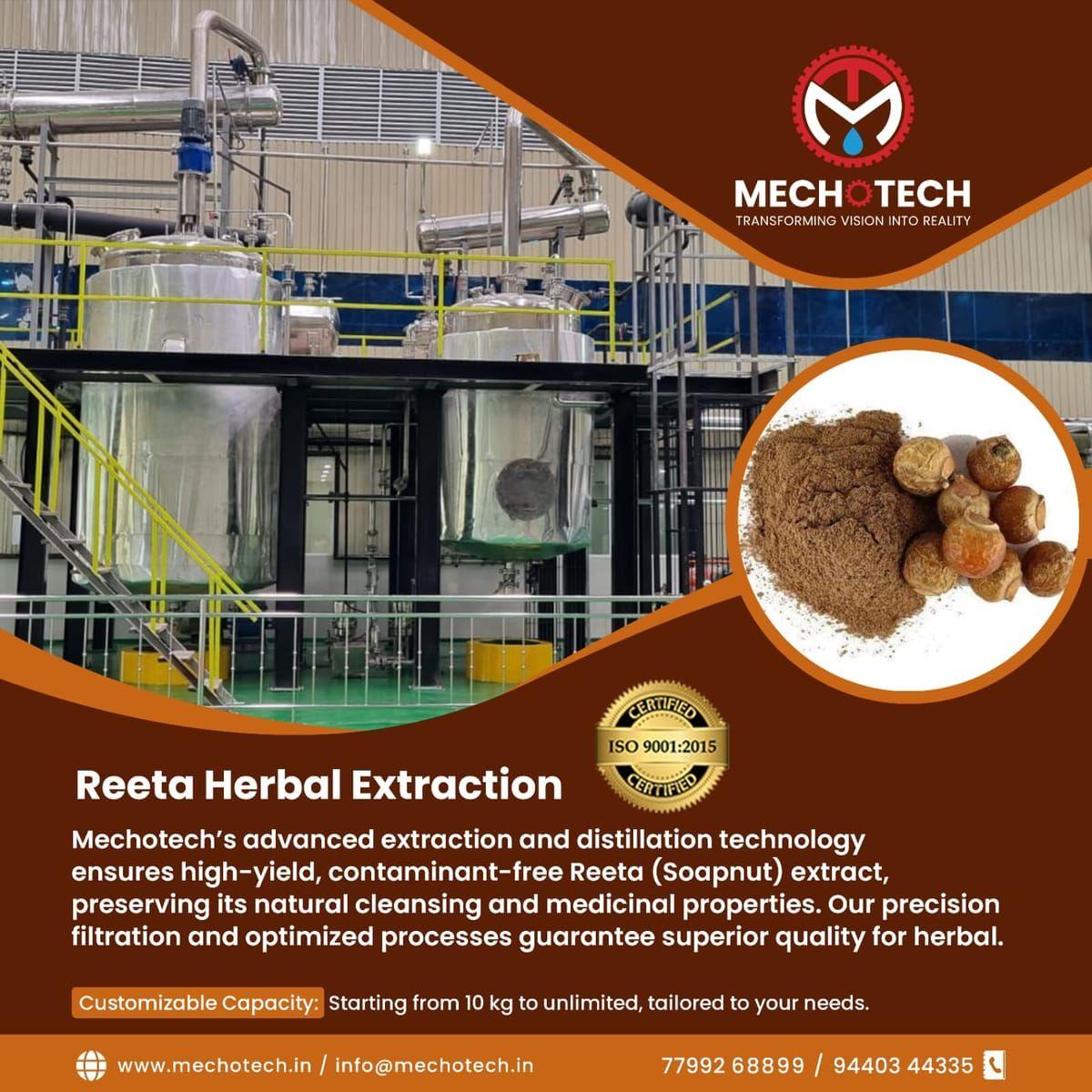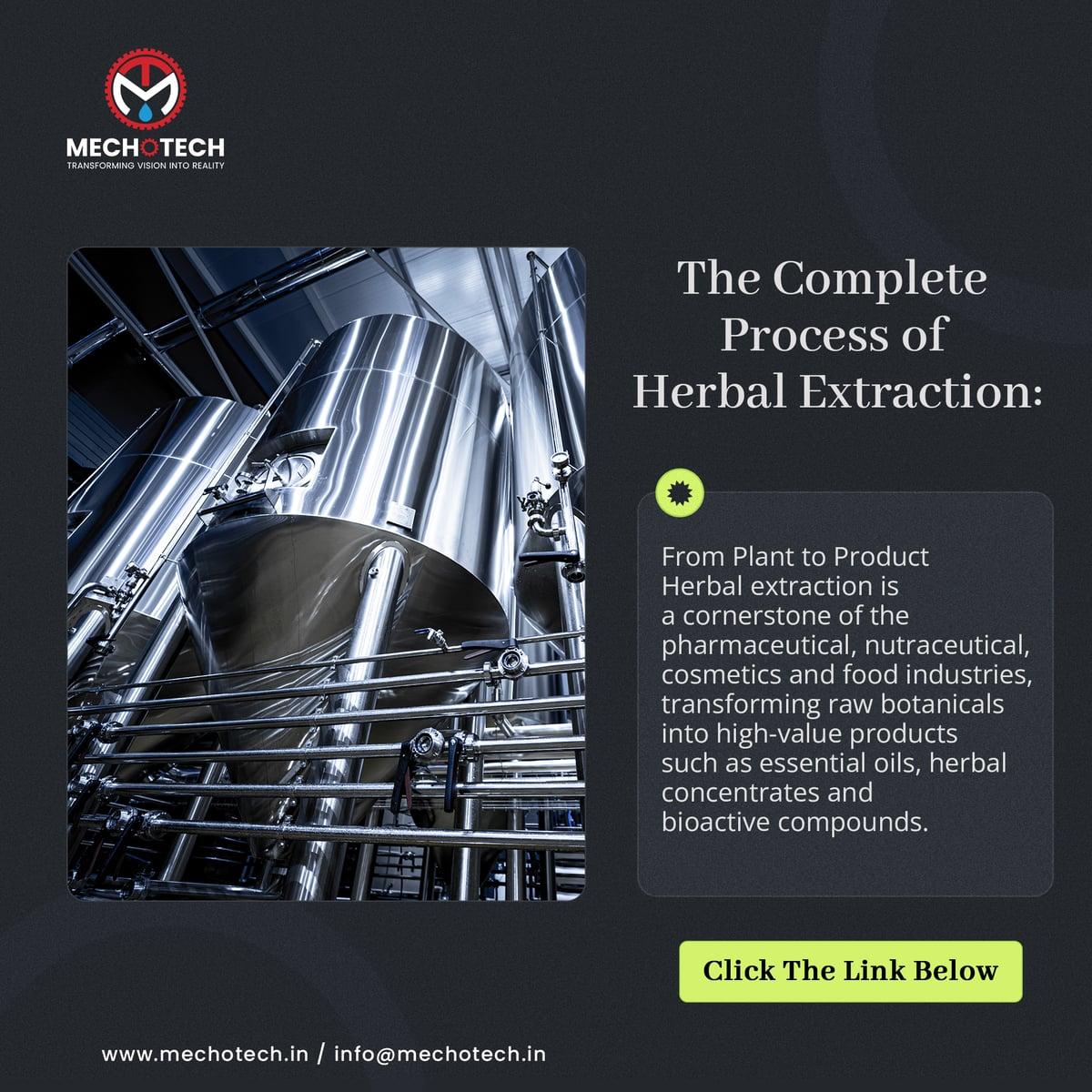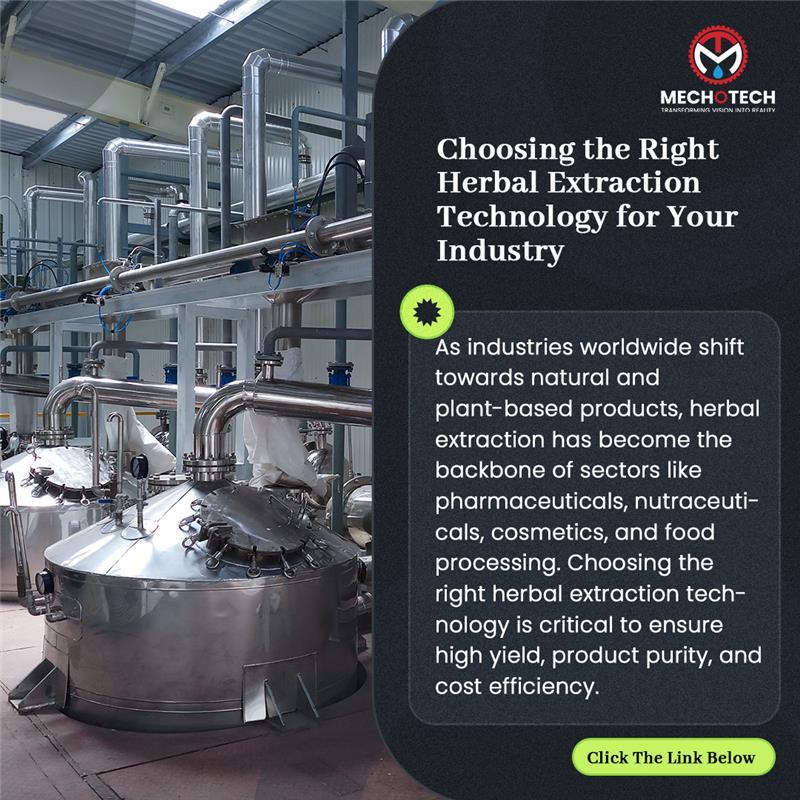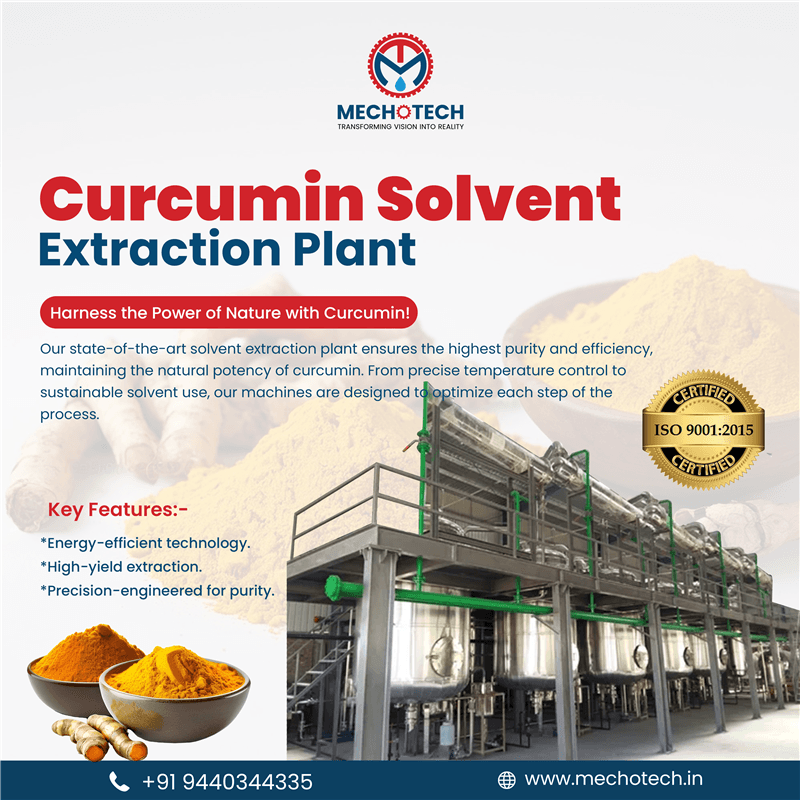
A herbal extraction plant is an advanced processing system that recovers valuable active compounds from herbs, medicinal plants, roots, leaves, flowers, seeds, bark, fruits and spices. The concentrated extracts it produces are the backbone of the pharmaceutical, nutraceutical, cosmetic, food and Ayurvedic industries. A modern plant does far more than boil botanicals in solvent — it uses precisely controlled temperature, pressure, solvent selection and automated processing to maximise extraction efficiency while protecting fragile bioactive compounds from thermal and oxidative degradation. At Mechotech, we design and manufacture GMP-compliant turnkey herbal extraction plants that combine engineering precision, process optimisation and automation to deliver superior product quality alongside high production efficiency. This guide walks through what these plants do, the equipment inside them, the methods they use, and what to look for when specifying one.
✓Key Takeaways
- →A herbal extraction plant recovers commercially valuable phytochemicals — typically just 0.05–7% of the raw plant — from bulk fibre and inert matter.
- →Core equipment runs as an integrated train: raw material handling, extraction vessel, filtration, evaporation, solvent recovery, vacuum drying and hygienic storage.
- →Method selection (water, ethanol, hydro-alcoholic, steam distillation or vacuum extraction) is driven by the target compound's polarity and heat sensitivity.
- →Solvent recovery is central to profitability and environmental compliance, cutting operating cost by reusing ethanol and other solvents.
- →GMP-grade design (SS316L contact parts, CIP, validation support) plus PLC/SCADA automation delivers the consistency and traceability regulators expect.
- →A turnkey plant maximises yield, purity and return on investment — and Mechotech supports customers end-to-end from botanical selection to commissioning.
1What a Herbal Extraction Plant Actually Does
At its core, a herbal extraction plant separates the small fraction of commercially valuable phytochemicals — often just 0.05% to 7% of the raw plant by weight — from the bulk fibre, cellulose and inert matter surrounding them. Raw botanicals are cleaned, sized and loaded into an extraction vessel, where a chosen solvent dissolves the target compounds. The resulting extract (miscella) is then filtered, concentrated, stripped of solvent for reuse, and dried into a standardised powder or paste. Because different compounds respond to different temperatures, solvents and residence times, the plant's real value lies in the degree of process control it offers — the tighter the control, the higher the yield, purity and batch-to-batch consistency.
2Why Herbal Extraction Matters
Natural botanicals contain a wide spectrum of beneficial phytochemicals that deliver medicinal, nutritional, antioxidant, antimicrobial and anti-inflammatory benefits. Efficient extraction technology is what turns these compounds into a repeatable, high-value product — ensuring maximum recovery, high purity, consistent quality, shorter processing times, lower solvent consumption and, ultimately, better profitability. The most commercially important compound classes include:
- Alkaloids & Glycosides: Nitrogen-containing alkaloids (such as piperine and nicotine) and sugar-bound glycosides underpin many pharmaceutical actives and standardised herbal medicines, and typically demand tightly controlled extraction to preserve potency.
- Polyphenols & Flavonoids: Powerful antioxidants found in green tea, turmeric and many fruits, valued across nutraceuticals, functional foods and cosmetics for their free-radical-scavenging activity.
- Terpenoids & Essential Oils: The volatile aromatic fraction responsible for flavour and fragrance, best recovered by steam distillation or low-temperature methods that avoid degrading heat-sensitive molecules.
- Curcuminoids, Saponins, Tannins & Piperine: Botanical-specific markers — such as curcumin from turmeric or saponins from shatavari — that are frequently standardised to a guaranteed percentage in the finished extract for pharmaceutical and supplement use.
3Industries That Rely on Herbal Extraction Plants
Extraction technology serves a broad base of industries, each with its own purity, documentation and compliance expectations:
- Pharmaceutical: Manufacturing standardised herbal medicines and plant-derived active pharmaceutical ingredients under GMP conditions.
- Nutraceutical: Production of botanical extracts and dietary supplements standardised to specific active concentrations.
- Ayurvedic: Preparation of both classical and proprietary Ayurvedic formulations with consistent quality and traceability.
- Food & Beverage: Natural flavours, colours, antioxidants and functional food additives derived from botanicals.
- Cosmetics & Personal Care: Botanical extracts for skincare, haircare and personal-care products where natural, clean-label ingredients command a premium.
- Veterinary: Natural herbal ingredients formulated into animal healthcare and nutrition products.
4The Major Equipment Inside a Herbal Extraction Plant
A turnkey plant is an integrated train of equipment, each stage feeding the next. A typical line can process botanicals as varied as turmeric, ashwagandha, boswellia, neem, tulsi, ginger, green tea, moringa, licorice, black pepper, cinnamon, clove and cardamom. The core equipment includes:
- Raw Material Handling: Washing systems, pulverisers, conveyors and storage bins clean, grade and mill the botanical to a uniform particle size before extraction — the step that determines how efficiently solvent can penetrate the material.
- Extraction Vessel: The heart of the plant: an SS316L vessel with a steam jacket, agitator, pressure and vacuum capability, and PLC control, where solvent dissolves the target compounds under precisely regulated conditions.
- Filtration System: Bag filters, sparkler filters or pressure filters remove spent botanical particles and suspended solids from the extract before concentration.
- Evaporator: Falling-film, forced-circulation or vacuum evaporators concentrate the extract under vacuum at low temperature, protecting heat-sensitive actives while recovering solvent for reuse.
- Solvent Recovery System: Recovers ethanol or other solvents for reuse — cutting operating cost, meeting environmental compliance, and improving overall profitability through high recovery efficiency.
- Vacuum Dryer: Vacuum tray dryers, spray dryers or fluid bed dryers convert the concentrated extract into a stable, free-flowing dry powder ready for formulation or packing.
- Storage Tanks: Hygienically designed tanks for the safe storage of extracts and solvents, keeping product integrity intact between process stages.
5Common Extraction Methods
There is no single 'best' method — the right choice depends on the target compound's polarity, heat sensitivity and the end market. A well-designed plant is often configured to run more than one method:
- Water Extraction: Safe, food-grade and cost-effective, ideal for Ayurvedic formulations, herbal teas and water-soluble compounds.
- Ethanol Extraction: Offers high extraction efficiency and superior phytochemical recovery, making it the workhorse for nutraceuticals, herbal medicines and botanical extracts.
- Hydro-Alcoholic Extraction: A tuned blend of water and ethanol that captures both polar and moderately non-polar compounds, delivering maximum recovery when several actives must be extracted together.
- Steam Distillation: The standard route for volatile essential oils and aromatic compounds, separating the fragrant fraction without solvent residue.
- Vacuum Extraction: Low-temperature operation under vacuum protects the most heat-sensitive compounds from thermal degradation, preserving potency and colour.
6Automation and GMP Compliance in Modern Plants
Modern facilities increasingly build automation and GMP readiness into the plant from day one, because both directly affect product consistency and regulatory acceptance. A pharmaceutical-grade extraction plant should feature SS316L contact parts, hygienic sanitary piping and valves, CIP (clean-in-place) systems, and full documentation and validation support for batch traceability. On the automation side, PLC control, SCADA monitoring, recipe and batch management, data logging and alarm management combine to improve product consistency, traceability, GMP compliance and production efficiency. Mechotech designs systems that are compatible with GMP requirements and supports customers working toward regulatory approval.
7Advantages of a Turnkey Herbal Extraction Plant
Choosing a fully engineered turnkey plant — rather than assembling equipment piecemeal — delivers compounding operational benefits: higher extraction efficiency, lower operating cost, better solvent recovery, reduced manpower, consistent product quality, lower energy consumption, faster production cycles, easier maintenance, longer equipment life and adherence to global manufacturing standards. Together these translate into a stronger, more predictable return on investment across the life of the plant.
8Why Choose Mechotech
Mechotech is a trusted Indian manufacturer of extraction and processing systems, with nearly three decades of engineering experience since 1997 and a global installation footprint. We deliver turnkey herbal and nutraceutical extraction plants, essential oil distillation plants, oleoresin extraction plants, natural colour extraction plants, and the supporting solvent recovery, evaporation and drying systems — all with complete process automation and installation and commissioning support. Our engineering team works closely with each client, from newcomers to established manufacturers, to design customised solutions that maximise productivity, efficiency and return on investment.
Frequently Asked Questions
What is the purpose of a herbal extraction plant?+
Which solvent is best for herbal extraction?+
Is solvent recovery important?+
Can one plant process different herbs?+
Does Mechotech provide turnkey solutions?+
Conclusion
As global demand for herbal medicines, nutraceuticals and natural ingredients keeps rising, investing in a high-quality herbal extraction plant is a strategic decision rather than a simple equipment purchase. By combining robust engineering, GMP-focused design, efficient solvent recovery and advanced automation, Mechotech helps manufacturers produce high-quality botanical extracts with reliability and efficiency. If you are planning your next extraction project, our team can guide you end-to-end — from choosing the right botanical and process to sizing, installation, commissioning and ongoing support.
Ready to Build Your Extraction Plant?
Mechotech engineers are ready to design the perfect plant for your application.
Get a Free Consultation